
Anxiety
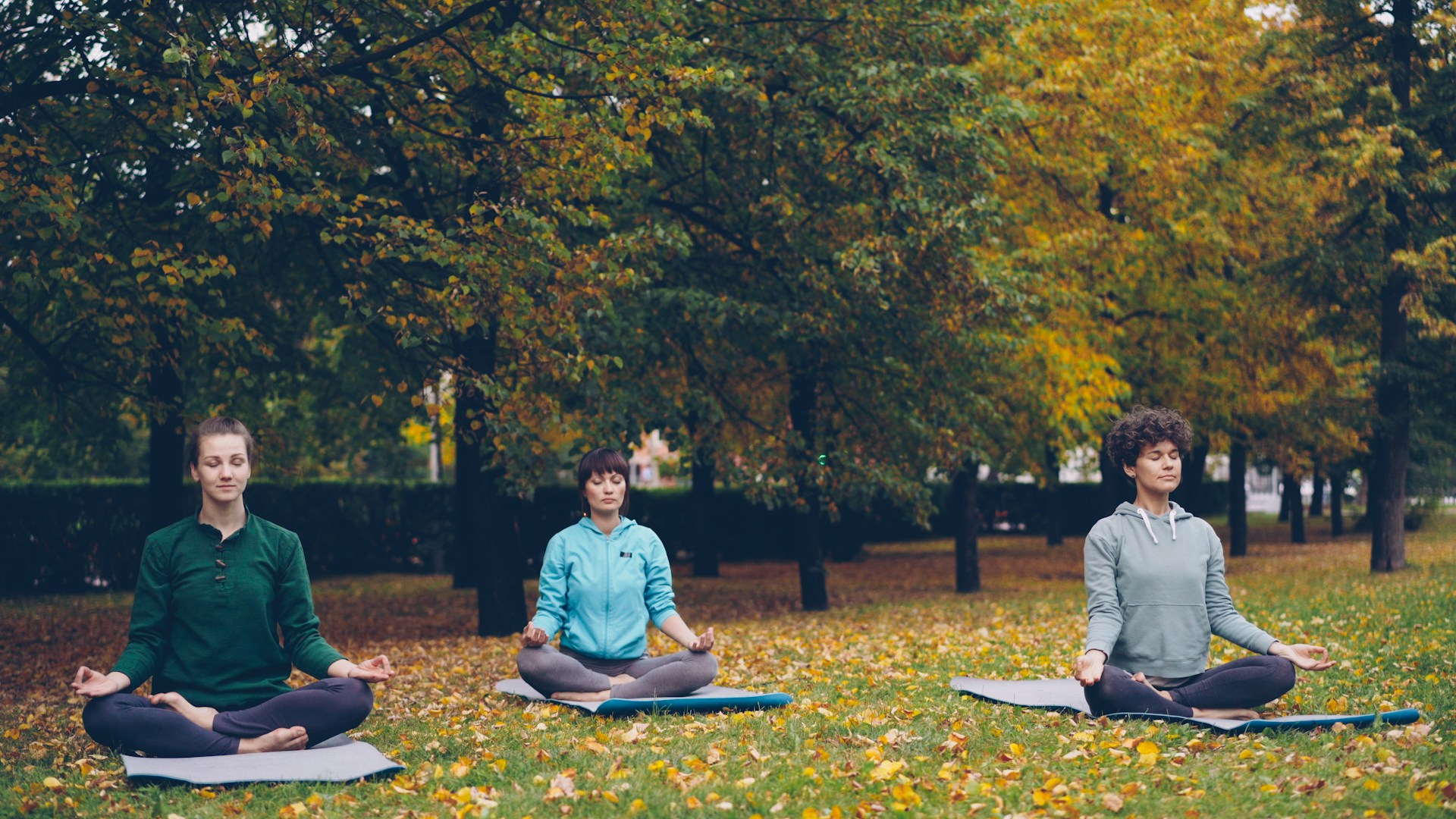
Regain Your Centre: Effective Grounding Techniques for Anxiety
Explore grounding techniques for anxiety and learn how breathing, movement, mindfulness, and sensory tools can help you feel more centred.
Anxiety can feel like a separate part of you, taking over without warning and disrupting your inner sense of balance. It can bring both psychological and physical symptoms that leave you feeling out of control or unable to function as you normally would.
When anxiety takes over, you might notice your heart pounding as though you’re facing a threat. Your breathing may become shallow and rapid, your muscles may tense in preparation for action, and your stomach may knot as if bracing for impact.
These reactions are part of your body’s internal alarm system. This system helped keep our ancestors safe from immediate physical threats, but everyday stresses and worries can activate the same response—even when you aren’t in life-threatening danger.
Anxiety can be especially challenging when this threat response pushes you beyond your “window of tolerance”—the zone in which you can cope effectively with life’s stresses and demands.
Outside this window, you may enter:
Grounding Techniques for Anxiety
Grounding techniques do not need to be complicated. The following practices can help anchor your attention, settle your nervous system, and create some distance from overwhelming thoughts and sensations.
SUPPORT IS HERE
Why You React The Way You Do In Relationships
Your attachment style influences how you handle closeness, conflict, reassurance, and emotional safety in relationships. Counselling can help you better understand these patterns and move toward more secure, connected relationships.
Our counselling services are available to residents of British Columbia.
Breathing Exercises
Something as simple as changing the pace of your breathing can have a meaningful effect on anxiety.
Slow, diaphragmatic breathing may help stimulate the vagus nerve and support the body’s relaxation response.
Box breathing is one option:
- Breathe in slowly for four counts.
- Hold your breath for four counts.
- Exhale slowly for four counts.
- Pause for four counts.
- Repeat as needed.
This practice is easy to remember and can be used almost anywhere.
The 5-4-3-2-1 Technique
Engaging your senses can interrupt distressing thoughts and bring your attention back to your immediate surroundings.
Pause and identify:
- Five things you can see
- Four things you can feel
- Three things you can hear
- Two things you can smell
- One thing you can taste
There is no need to rush. Take a moment to notice each item before moving to the next.
Mindful Movement
Physical activity can be a powerful grounding tool.
During a mindful walk, focus on the sensation of your feet meeting the ground with each step. Notice the rhythm of your movement, the temperature of the air, and what you can see or hear around you.
Activities such as tai chi and qigong also combine movement with intentional breathing, which may enhance their grounding effect.
By the time we reach our thirties and forties, many close relationships have been formed and the mutual desire to build (and find time for) new friendships can wane.
Progressive Muscle Relaxation
Progressive muscle relaxation involves gently tensing and then releasing different muscle groups throughout your body.
This practice can help you notice physical tension—often a symptom of anxiety—and learn how it feels to intentionally let that tension go.
Begin with your feet and slowly work upward, or start with your face and move downward through your body.
Connecting With Nature
Time in nature can be deeply grounding.
The sights, sounds, scents, and physical sensations of a natural environment can engage your senses and draw your attention away from anxious thoughts.
You might try:
- Gardening
- Walking on a trail
- Sitting beneath a tree
- Visiting a beach or park
- Listening to birds or moving water
Even a few quiet minutes outdoors can offer your nervous system a different source of sensory information.
Visualization
Guided imagery can help transport your mind to a calmer emotional space.
Picture a place where you feel safe and peaceful. Imagine its colours, sounds, textures, scents, and temperature. Allow yourself to explore the details of this place without pressuring yourself to feel differently right away.
Anchor Phrases
Prepared phrases can serve as verbal anchors when anxiety makes it difficult to think clearly.
Choose short, present-tense statements that promote safety and calm, such as:
- I am safe in this moment.
- I can take this one step at a time.
- This feeling is intense, but it will pass.
- I do not have to solve everything right now.
- My feet are on the ground, and I am here.
Repeat the phrase slowly, either silently or aloud.
Tactile Grounding
Touch can provide a tangible point of focus when your thoughts are racing.
Try holding an object with a noticeable texture, such as a smooth stone, piece of fabric, stress ball, or cold glass of water. Focus on its temperature, weight, shape, and texture.
Focused Attention
Giving your full attention to a single activity can help interrupt a cycle of anxious thinking.
Simple activities might include:
- Drawing or colouring
- Playing a musical instrument
- Knitting or crafting
- Completing a puzzle
- Organizing a small space
- Following a familiar recipe
Choose something engaging enough to hold your attention without creating additional pressure.
The Power of Sound
Calming music, nature sounds, or other familiar audio can have a soothing effect on the nervous system.
Consider creating a playlist of songs or sounds that help you feel safe, comforted, or connected. Having it ready means you won’t need to decide what to listen to when anxiety is already high.
Expanding Your Window of Tolerance
Understanding and gradually expanding your window of tolerance can help you manage anxiety over time.
The concept, associated with Dr. Dan Siegel, describes the zone in which your emotional arousal remains manageable. Within this window, you are better able to process what is happening, maintain focus, connect with others, and respond thoughtfully rather than react automatically.
Stress or trauma can narrow this window and make it easier to become overwhelmed or shut down. Grounding techniques can help in those moments, while longer-term practices may gradually strengthen your capacity to cope.
Practise Grounding Regularly
Grounding techniques can be more effective during anxious moments when they are already familiar.
Try incorporating one practice into your daily routine, including on days when you feel relatively calm. This gives you an opportunity to learn what feels supportive before you urgently need it.
Seek Therapeutic Support
Professional support may help you understand your anxiety and develop a wider range of coping strategies.
Approaches such as cognitive behavioural therapy and dialectical behaviour therapy can provide structured ways to explore thoughts, emotions, behaviours, and nervous-system responses.
Explore Mindfulness Meditation
Regular mindfulness practice can support emotional regulation by teaching you to observe thoughts and feelings without immediately judging or reacting to them.
Mindfulness is not about emptying your mind. It is about noticing what is happening and gently returning your attention to the present.
Build Emotional Awareness
Learning to identify and name your emotions can make them feel less confusing and overwhelming.
Keeping an emotion journal or expressing yourself through writing, art, or music may help you recognize patterns and better understand what you need.
Strengthen Social Connections
Supportive relationships can provide an important buffer against stress.
Connecting with a safe person can remind you that you are not alone and that you do not have to manage every difficult experience by yourself.
Prioritize Self-Care
Adequate sleep, nourishing food, gentle movement, rest, and relaxation all support your ability to regulate your emotions.
Self-care will not eliminate every source of anxiety, but it can give your nervous system a more stable foundation from which to respond.
Finding the Grounding Techniques That Work for You
Try grounding techniques one at a time and practise each one consistently over several days or weeks. Giving a technique a fair chance can help you understand whether it genuinely supports you.
With practice, you may notice:
- A greater ability to remain in the present
- Reduced physical symptoms of anxiety
- More awareness of your emotional state
- An increased ability to cope with everyday stress
- A stronger sense of choice in how you respond
Your anxiety may not disappear completely, but with practice and support, it can become a manageable part of your life rather than a storm that controls it.
Grounding does not ask you to eliminate anxiety; it helps you return to the present when anxiety pulls you away.
If your anxiety feels debilitating or you would like to better understand where it comes from, book a free consultation with one of our clinical counsellors today.
Explore Your Attachment Style with a Therapist at Safe Haven Counselling in Surrey, BC
If you’re ready to explore how your attachment style affects your relationships, therapy can help. At Safe Haven Counselling, we specialize in attachment-informed therapy to help you build secure, connected, and authentic relationships — starting with the one you have with yourself.


